Agenda
11 November 2026
09:00 am – 5:00 pm
8:30 AM
Registration

9:00 AM
Introduction
9:05 AM
Beyond Anxious & Avoidant: Applying Attachment Theory in Therapeutic Practice
Attachment theory offers a powerful framework for understanding emotional regulation, relational patterns, coping strategies, and the therapeutic relationship itself. Yet, as attachment language becomes increasingly simplified in popular culture, clinicians are challenged to apply attachment concepts with greater nuance, flexibility, and clinical precision.
This session explores how attachment dynamics emerge across the lifespan, how they present in therapy, and how clinicians can use an attachment-informed lens to deepen case conceptualization and support meaningful therapeutic change.
This session will cover:
- Recognizing attachment dynamics in clinical presentations, emotional regulation patterns, coping strategies, and interpersonal functioning
- Moving beyond simplified attachment labels to understand developmental context, relational adaptation, and attachment flexibility
- Applying attachment-informed interventions to strengthen therapeutic alliance, emotional insight, and movement toward greater relational security
The keynote will be a custom recorded session followed by a LIVE Q&A with Kati who will answer audience questions in real time
Speaker:
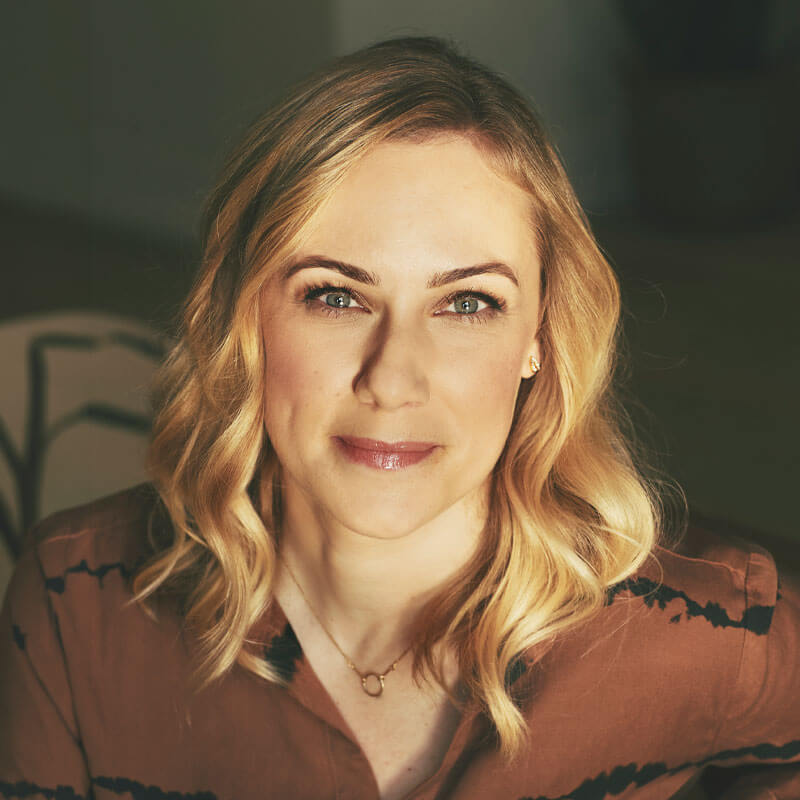
Kati Morton
Licensed Marriage & Family Therapist
Custom recorded session followed by a live virtual Q&A
9:55 AM
From Data to Action: What Hong Kong’s Mental Health and AI Trends Mean for the Workplace
Hong Kong’s workforce is under pressure. AXA’s Mind Health Report 2026 shows the city sitting in a “getting by, not flourishing” state, with around 1 in 5 adults living with a current mental health condition, yet 76% not having seen any professional support in the past year. At the same time, 66% of Hong Kong residents already use AI for mental health, and 43% say they trust AI more than mental health professionals – a powerful but risky shift.
This session will:
- Unpack these trends and explore what they mean for workplace
- Enable employers torespond to high stress, low help-seeking and high AI reliance
- Help provide earlier mental health support and connect safer AI user with human care.
Speaker:
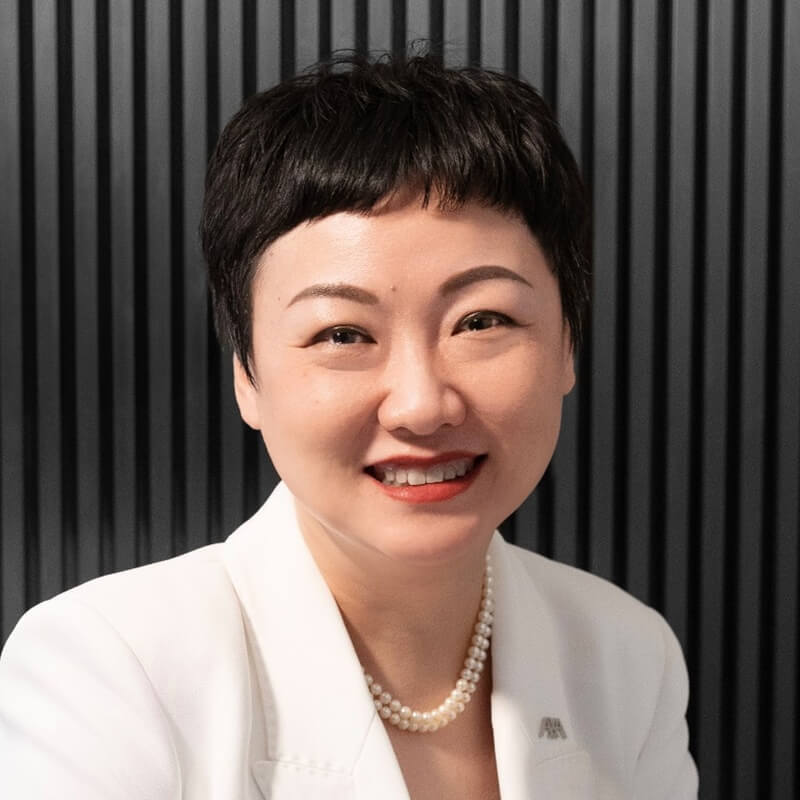
Emily Li
Chief Employee Benefits & Wellness Officer
10:10 AM
NETWORKING & COFFEE BREAK
10:40 AM
The Science of Relational Intelligence: Building High-Trust Relationships in the AI Era
The most successful leaders in the AI world order aren’t the most technically savvy. They’re the ones with the highest Relational Intelligence. In an era where technical competence is rapidly becoming a commodity, human connection is the ultimate strategic edge, whether you’re managing a team, stakeholders, a dual-career marriage, or trying to connect with Gen Z’ers.
This session provides the psychological frameworks required to help ourselves and our clients shift from performance-based behavior to purpose and connection.
- Learn how to identify when left-brain logic is over-functioning, and shift into integrated cognition, emotion, and behaviour
- Understand the foundations of mammalian co-regulation, and apply these concepts directly to our social interactions
- Unlearn culturally and historically ingrained communication patterns so that we can forge deeper, more vulnerable, and more authentic connections with the most important people in our lives
Speaker:
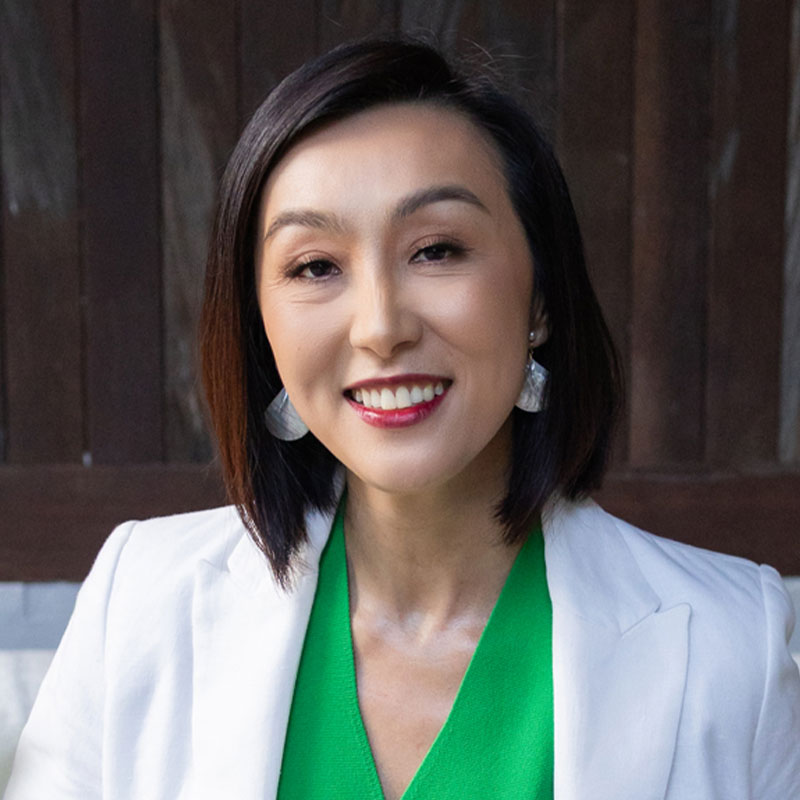
Qi Zhai-McCartney
Founder
Atlas Therapy & Coaching
11:30 AM
Reassurance Robots: How AI is Becoming the Ultimate OCD Compulsion
Clinicians are increasingly seeing clients replace traditional compulsions with hours of daily interactions with generative AI. This talk explores how the very design of AI creates powerful new reassurance rituals that maintain and intensify OCD symptoms. Drawing on recent research and clinical observations, the session explores the risks and offers practical strategies.
This session will:
- Understand how AI’s sycophantic, always-certain design creates a negative reinforcement loop that strengthens OCD
- Explore how AI psychological mirroring can delay evidence-based treatment
- Learn practical strategies including psychoeducation, ERP for AI reassurance-seeking, and rebuilding tolerance for uncertainty
Speaker:
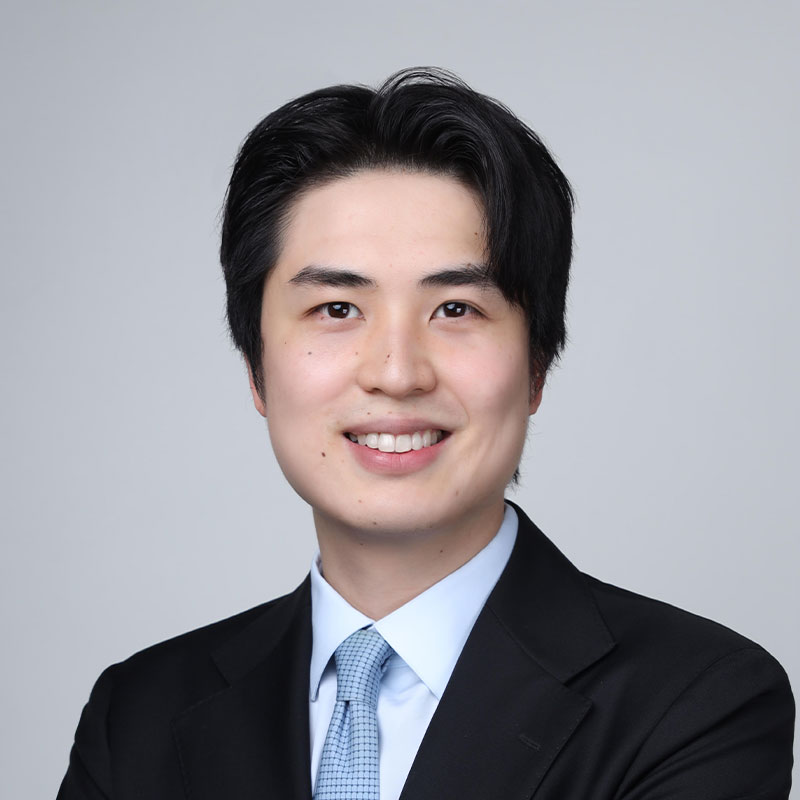
Dr. Edward C.K. Lam
Clinical Psychologist (PsyD)
Central Minds

12:20 PM
LUNCH
1:20 PM
What international education and migration teach us about identity, family and mental health
Migration is a major psychological transition that can reveal or exacerbate mental health challenges. Drawing on our work with Asian and migrant communities in Australia, this session explores how identity, belonging, family relationships and help-seeking evolve throughout the migration journey, and what this means for mental health services.
Through this session you will:
- Learn evidence-informed and practice-based approaches that move beyond traditional Western models of care to build trust and deliver culturally-responsive support taking into account culture, family and context
- Recognise the psychological outcomes, not just educational ones of international education
- Discover how clinicians, universities and governments can better support international students before departure, during their time overseas and as they transition home, recognising the lasting impact of migration on identity and wellbeing
This session will be Virtual Live. The Speaker will be presenting and answering audience questions in real time
Speaker:
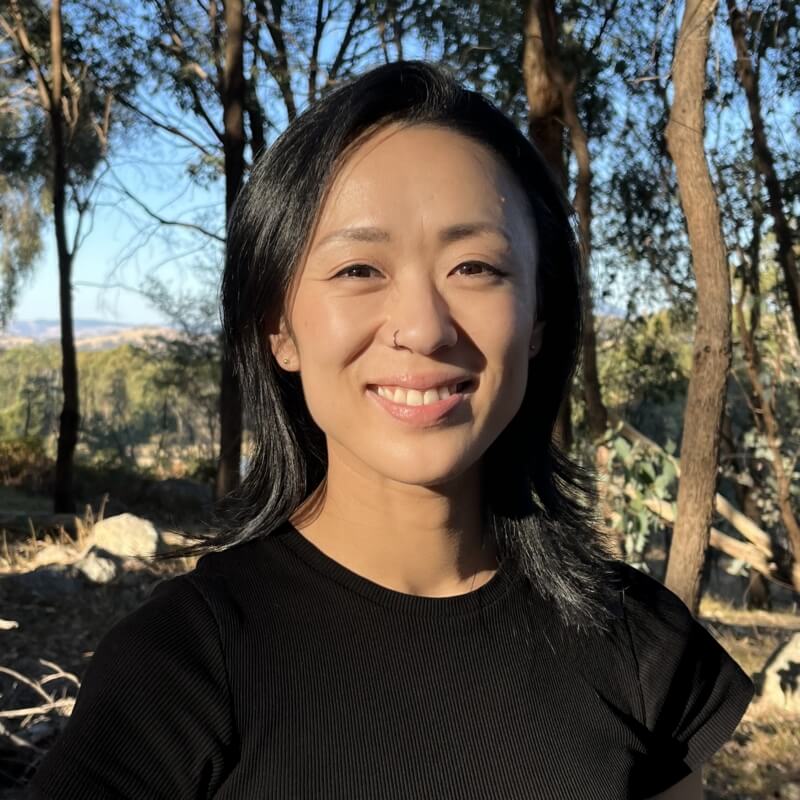
Asami Koike
Founder & Director
Shapes and Sounds, Australia
Live virtual & Q&A session
2:10 PM
Less Theory, More Practice: Working with Dissociation and Parts in the Room
In this session attendees will be able to:
- Recognise dissociation as it presents clinically, using a real case to see what it looks like and what it is communicating
- Understand parts and how to make sense of what is happening for the client in the room
- Apply at least one practical skill drawn from EMDR, somatic awareness, or Schema Therapy to work with dissociation and parts safely and effectively
Speaker:
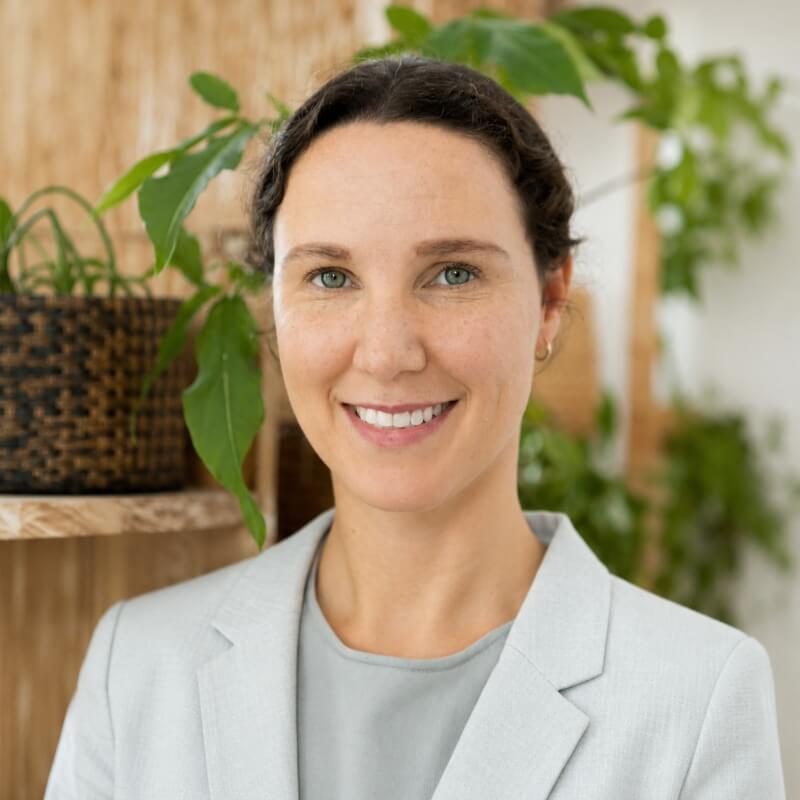
Dr Julia A. Andre
Clinical Psychologist & Founder
2:55 PM
NETWORKING & COFFEE BREAK
3:25 PM
Beyond Words: Focusing-Oriented Therapy and the Felt Sense in Everyday Clinical Practice
Many clients arrive articulate, insightful, and yet emotionally stuck — able to talk about their problems without shifting them. Focusing-Oriented Therapy, developed by Eugene Gendlin, offers a body-based, experiential pathway into this impasse through the “felt sense”: the vague, bodily-held knowing that sits beneath our words. Drawing on theoretical concepts linking Focusing to emotion regulation, reduced self-criticism, and greater self-compassion, this session demystifies Focusing as a person-centred approach for the working clinician. Rather than proposing yet another standalone model, Dr. Cheung shows how a Focusing-oriented attitude can be woven into existing practice to deepen the therapeutic alliance and unlock stalled sessions.
This session will focus on:
- Understanding the “felt sense” and the core concepts of Focusing, where a person-centred approach adds most value
- Learning applicable attitudes that can be integrated into your current modality to deepen the alliance and reopen stalled work
- Appreciating the base for Focusing-oriented approaches to appropriate clinical use
Speaker:
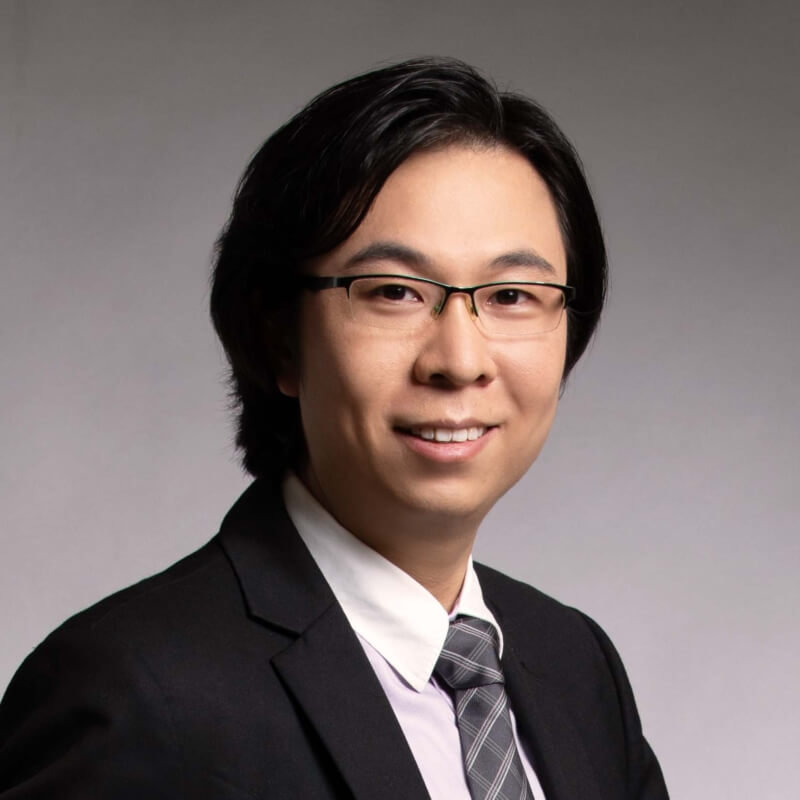
Dr. Amos Cheung
Clinical Psychologist & President
4:10 PM
Fourth-Wave Therapy Approaches: Expanding Possibilities in Complex Clinical Practice
This session will:
- Explore how fourth-wave therapy approaches (e.g., Clinical Emotional Freedom Techniques, embodied mindfulness pain approaches) can be applied within complex, multi-layered client presentations, moving beyond surface-level symptom work to address deeper psychological and somatic processes
- Dive into how Integrating current research with clinical application, offers inspiration for using these approaches to expand therapeutic possibilities in contemporary practice
Speaker:
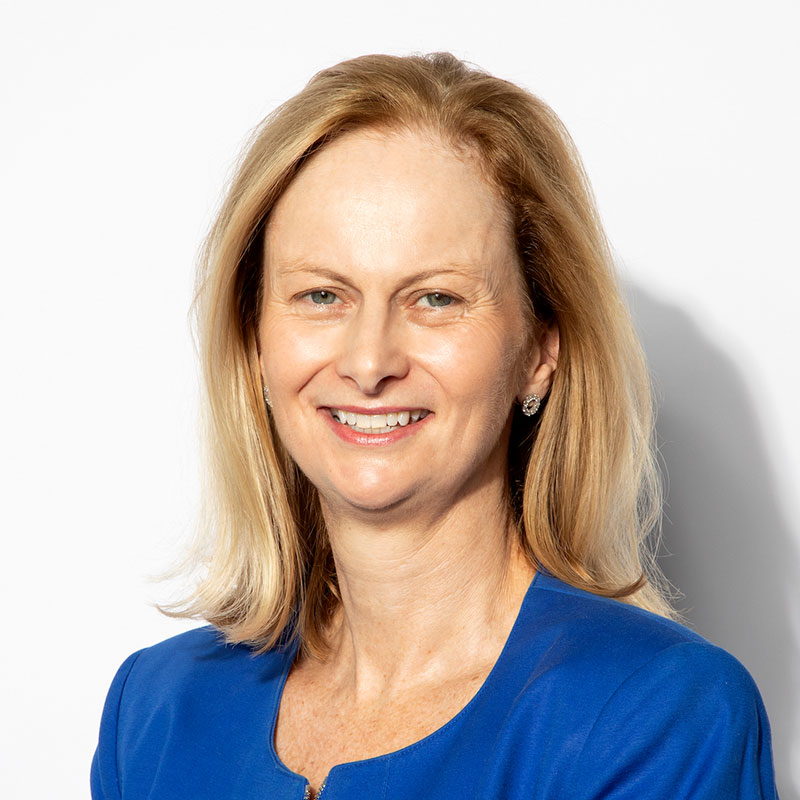
Dr Peta Stapleton
Chair of Graduate Research, Professor, School of Psychology, Faculty of Society & Design
Bond University, Australia

4:55 PM – 5:00 PM