Agenda
7 October 2026
09:00 am – 4:30 pm
8:30 AM
Registration

9:00 AM
Introduction
9:05 AM
Beyond Anxious & Avoidant: Applying Attachment Theory in Therapeutic Practice
Attachment theory offers a powerful framework for understanding emotional regulation, relational patterns, coping strategies, and the therapeutic relationship itself. Yet, as attachment language becomes increasingly simplified in popular culture, clinicians are challenged to apply attachment concepts with greater nuance, flexibility, and clinical precision.
This session explores how attachment dynamics emerge across the lifespan, how they present in therapy, and how clinicians can use an attachment-informed lens to deepen case conceptualization and support meaningful therapeutic change.
This session will cover:
- Recognizing attachment dynamics in clinical presentations, emotional regulation patterns, coping strategies, and interpersonal functioning
- Moving beyond simplified attachment labels to understand developmental context, relational adaptation, and attachment flexibility
- Applying attachment-informed interventions to strengthen therapeutic alliance, emotional insight, and movement toward greater relational security
The keynote will be a custom recorded session followed by a LIVE Q&A with Kati who will answer audience questions in real time
Speaker:
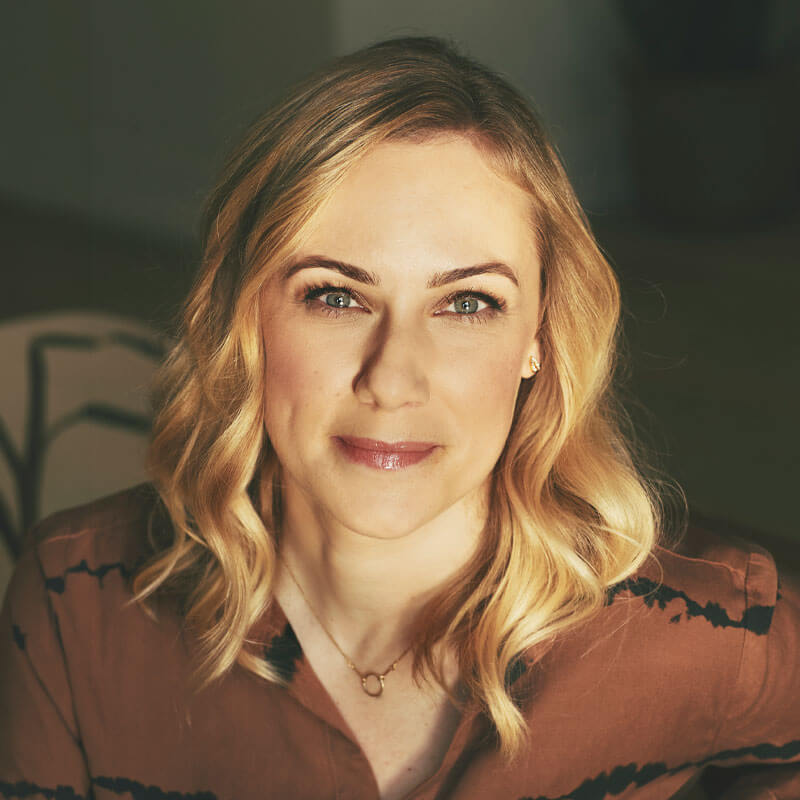
Kati Morton
Licensed Marriage & Family Therapist
Custom recorded session followed by a live virtual Q&A
9:55 AM
Complex Client Presentations & Risk Awareness: Trauma, addiction, relational harm, co-morbidities
Clients rarely present with a single, isolated issue. This session explores how overlapping trauma, addiction, relational harm, and co-morbid conditions increase clinical complexity and risk.
This session will cover:
- Recognising layered and intersecting client presentations
- Risk assessment beyond diagnostic labels
- Managing uncertainty and clinical responsibility in complex cases
- When and how to escalate, refer, or collaborate across services
10:25 AM
NETWORKING & COFFEE BREAK
10:55 AM
Effectively Leveraging AI in Mental Health
Speaker:
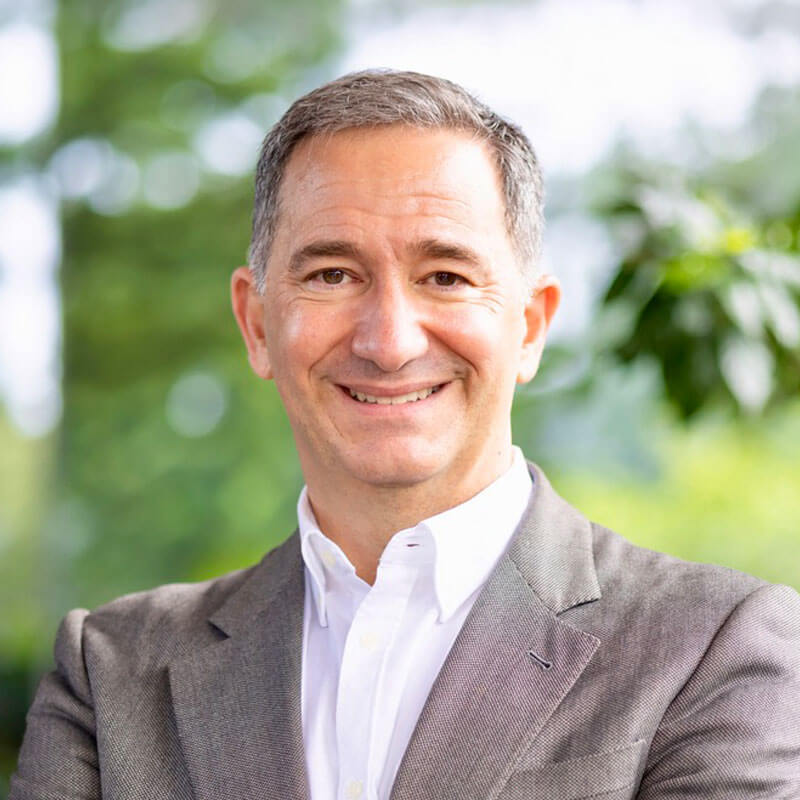
Dr. Jonathan Marshall
Principal
Marshall Consulting
11:40 AM
Helping Clients Move Forward When They Don't Know: Working Therapeutically With Uncertainty
This session will focus on:
- Uncertainty as a transdiagnostic process
- Experiential avoidance
- Intolerance of uncertainty
- ACT and psychological flexibility
- Hope without false reassurance
- Helping clients take “the next right step” when certainty isn’t available
Speaker:
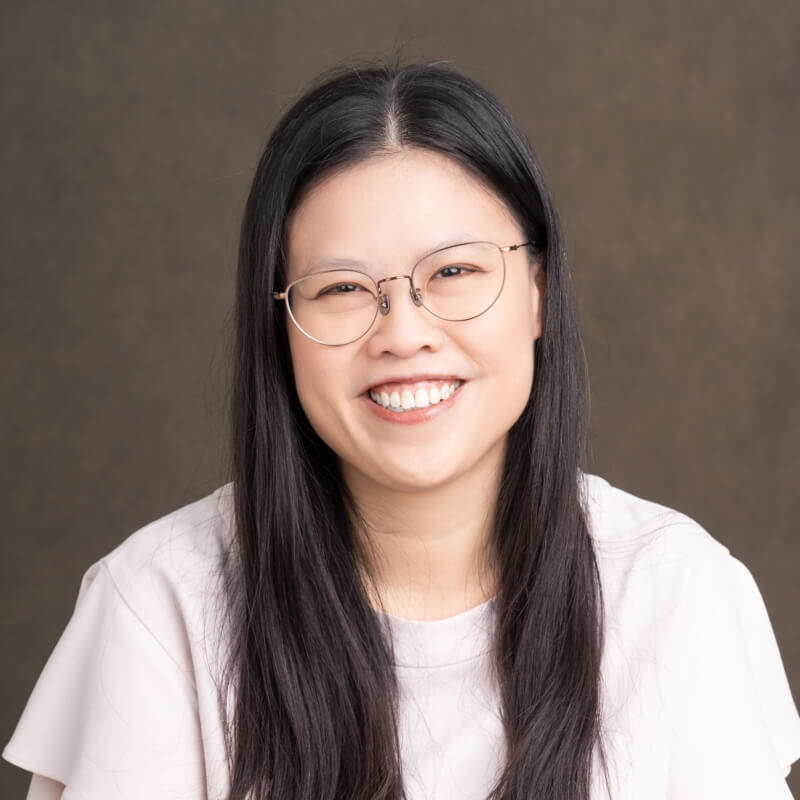
DR. Grace Soo
Principal Clinical Psychologist

12:25 PM
LUNCH
1:25 PM
What international education and migration teach us about identity, family and mental health
Migration is a major psychological transition that can reveal or exacerbate mental health challenges. Drawing on our work with Asian and migrant communities in Australia, this session explores how identity, belonging, family relationships and help-seeking evolve throughout the migration journey, and what this means for mental health services.
Through this session you will:
- Learn evidence-informed and practice-based approaches that move beyond traditional Western models of care to build trust and deliver culturally-responsive support taking into account culture, family and context
- Recognise the psychological outcomes, not just educational ones of international education
- Discover how clinicians, universities and governments can better support international students before departure, during their time overseas and as they transition home, recognising the lasting impact of migration on identity and wellbeing
This session will be Virtual Live. The Speaker will be presenting and answering audience questions in real time
Speaker:
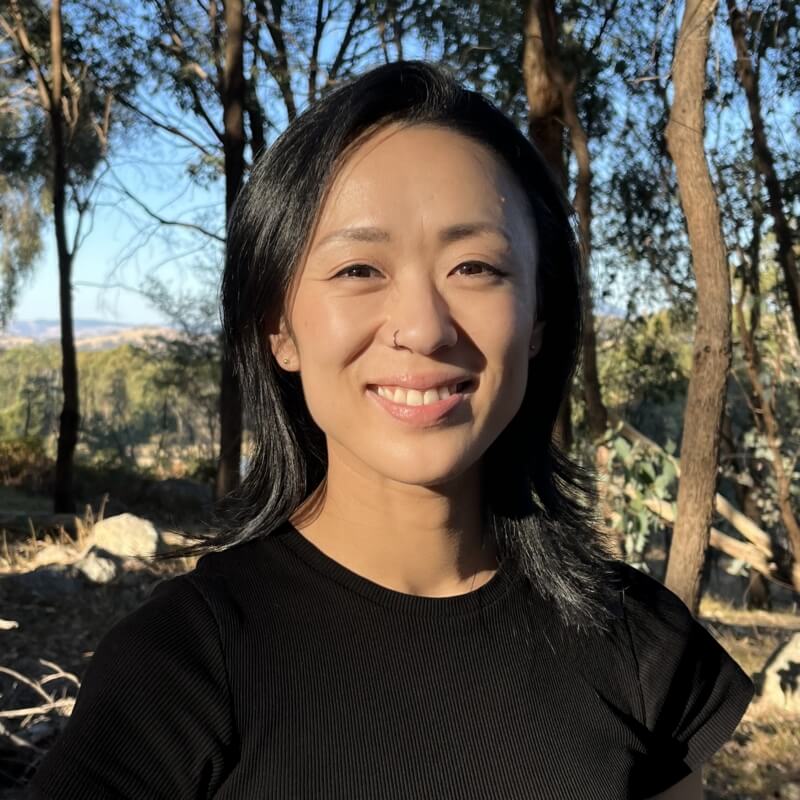
Asami Koike
Founder & Director
Shapes and Sounds, Australia
Live virtual & Q&A session
2:10 PM
Beyond the Therapy Room: Ethical Dilemmas Every Modern Clinician Will Face
The practice of mental health has changed dramatically over the past decade. While the ethical principles that underpin our professions remain constant, the contexts in which we apply them have evolved in ways that few training programmes anticipated. Today’s clinicians practise in a world of social media, online reviews, instant messaging, telehealth, artificial intelligence, and increasing public visibility. These developments have created ethical dilemmas that often extend well beyond the therapy room.
This session will:
- Invite clinicians to reflect on the complex realities of modern practice. Through discussion of contemporary scenarios, participants will explore questions surrounding confidentiality in the digital age, managing professional boundaries outside of therapy, navigating online presence and reputation, balancing accessibility with appropriate limits, the responsible use of emerging technologies, and protecting clinician wellbeing while maintaining high standards of care
- Encourage thoughtful discussion around the ethical grey areas that increasingly characterise contemporary clinical practice. Participants will leave with a broader framework for ethical decision-making and a deeper appreciation of how timeless ethical principles can be thoughtfully applied within an ever-changing professional landscape
Speaker:
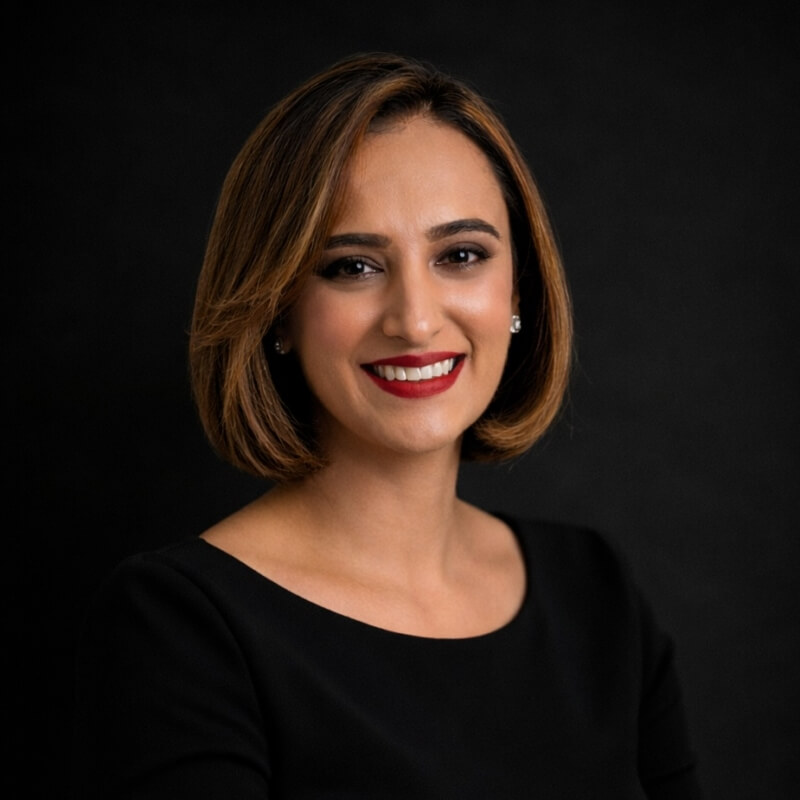
Dr. Sanveen Kang
Founder & CEO I Lead Clinical Psychologist
2:55 PM
The Hero's Journey in Psychotherapy: A Narrative-Driven Approach to Meaning-Making and Identity Transformation Through Inner Hero Work
Traditional therapy tells us that in order to heal, we must detach from the stories we tell ourselves. This session aims to challenge the scepticism towards expansive personal narratives in therapy — by drawing on research from the Hero’s Journey in clinical settings for symbolic transformation and meaning-making through suffering. At the heart of the session lies the paradigm shift that one’s future self — their Inner Hero — may be harnessed as a mentor towards self-actualization and integration.
This session will cover:
- An overview of the Hero’s Journey and Inner Hero model in therapy
- The speaker’s personal sharing and case studies on the Hero’s Journey in healing
- Practical demonstrations of Inner Hero Work that practitioners may utilize in sessions immediately
Speaker:
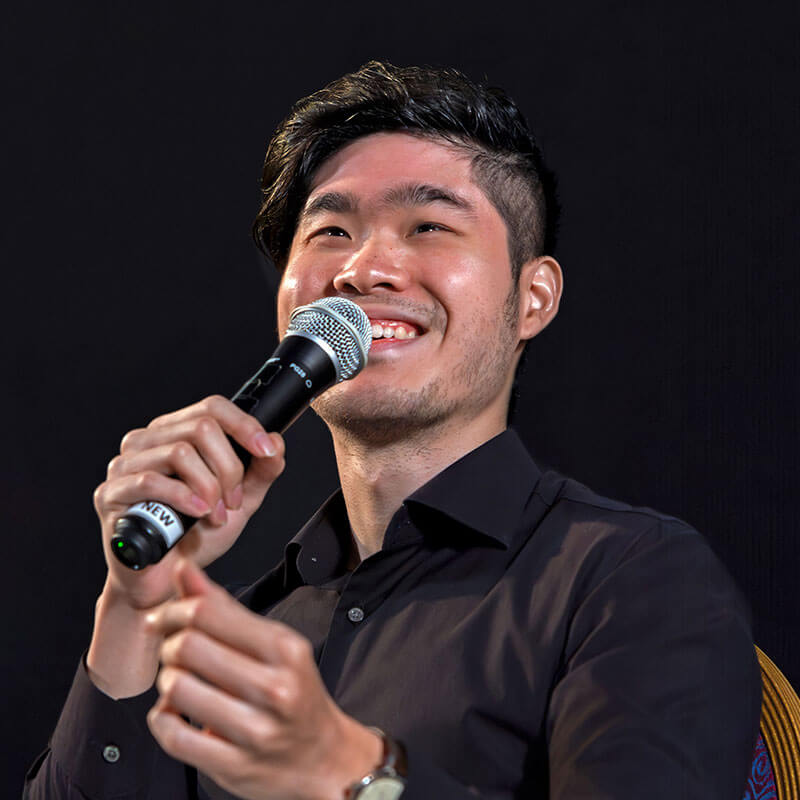
Ron Yap
Psychotherapist, Writer & Founder
Inner Hero Therapy
3:40 PM
Cultural, Social & Systemic Influences on Mental Health: Stigma, workplace pressure, family systems, society
Mental health does not exist in isolation from culture or systems. This session examines how social expectations, family structures, workplace norms, and stigma shape help-seeking, disclosure, and therapeutic engagement.
This session will cover:
- Cultural and societal influences on mental health presentation
- Workplace pressure, performance culture, and emotional suppression
- Family dynamics and systemic constraints in treatment planning
- Adjusting clinical approaches within cultural and organisational contexts

4:25 PM