Agenda
10 November 2026
09:00 am – 4:30 pm
8:30 AM
Registration

9:00 AM
Introduction
9:05 AM
Beyond Anxious & Avoidant: Applying Attachment Theory in Therapeutic Practice
Attachment theory offers a powerful framework for understanding emotional regulation, relational patterns, coping strategies, and the therapeutic relationship itself. Yet, as attachment language becomes increasingly simplified in popular culture, clinicians are challenged to apply attachment concepts with greater nuance, flexibility, and clinical precision.
This session explores how attachment dynamics emerge across the lifespan, how they present in therapy, and how clinicians can use an attachment-informed lens to deepen case conceptualization and support meaningful therapeutic change.
This session will cover:
- Recognizing attachment dynamics in clinical presentations, emotional regulation patterns, coping strategies, and interpersonal functioning
- Moving beyond simplified attachment labels to understand developmental context, relational adaptation, and attachment flexibility
- Applying attachment-informed interventions to strengthen therapeutic alliance, emotional insight, and movement toward greater relational security
The keynote will be a custom recorded session followed by a LIVE Q&A with Kati who will answer audience questions in real time
Speaker:

Kati Morton
Licensed Marriage & Family Therapist
Custom recorded session followed by a live virtual Q&A
9:55 AM
Holding What Hurts: Coping with Marital Infidelity.
Deep dive into the neurobiology of betrayal and healing with meaning and narrative with a spotlight on ambiguous grief and non-finite pain.
This session will cover:
- Explore the deeper reasons for infidelity & betrayal
- Kohlberg’s stages of moral reasoning and guiding clients reach Stage 4
- The Requests game
Speaker:
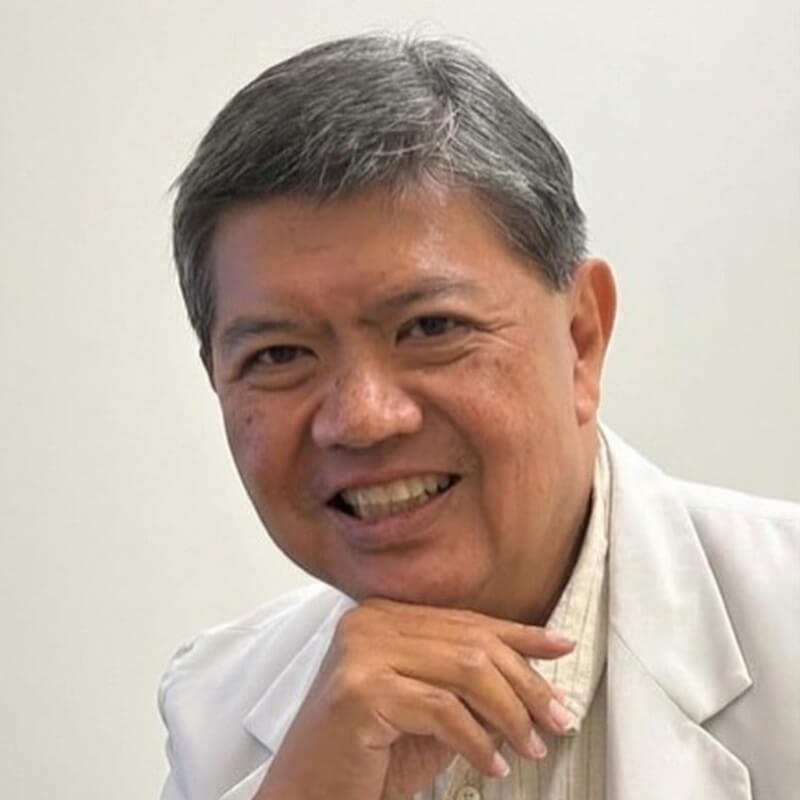
Dr. Ruben L. Encarnacion
Clinical Psychologist
10:45 AM
NETWORKING & COFFEE BREAK
11:15 AM
Advancing Growth in Counselling Supervision: Competencies, Ethics, Models, and Reflective Practices
This session will:
- Explore the foundations, principles, ethical standards, and significance of counselling supervision in promoting counsellor competence, client welfare, and professional accountability.
- Examine evidence-based supervision models, structured supervision sessions, peer, and clinical supervision approaches.
- Focus on strengthening counsellors’ clinical skills, ethical decision-making, self-care, reflective practice, and continuous professional growth and development.
Speaker:

Dr. Sheila Marie Guevarra-Hocson
Research Fellow
12:40 PM
RESET: Regulating Emotions that Saves Energy and Time
There is no question about the value of regulating emotions in our lives. Majority of us are aware how the nervous system is central in
emotional regulation. The RESET methodology focuses on making it more accessible in our routine and facilitating co-regulation in difficult conversations by recognising that we can help our nervous system reset the energy and focus in the moment.
This session will glean on
- The cost of dysregulated nervous system
- The Practice of RESET: The Angel is in the Detail
- Making RESET a habit and weaving it in our routine and interactions.
Speaker:

Dr. Josie B. Banaglorioso
Psychologist
In Touch Community Services

1:00 PM
LUNCH
2:00 PM
What international education and migration teach us about identity, family and mental health
Migration is a major psychological transition that can reveal or exacerbate mental health challenges. Drawing on our work with Asian and migrant communities in Australia, this session explores how identity, belonging, family relationships and help-seeking evolve throughout the migration journey, and what this means for mental health services.
Through this session you will:
- Learn evidence-informed and practice-based approaches that move beyond traditional Western models of care to build trust and deliver culturally-responsive support taking into account culture, family and context.
- Recognise the psychological outcomes, not just educational ones of international education.
- Discover how clinicians, universities and governments can better support international students before departure, during their time overseas and as they transition home, recognising the lasting impact of migration on identity and wellbeing
Speaker:

Asami Koike
Founder & Director
Shapes and Sounds, Australia
Live virtual & Q&A session
2:50 PM
Trauma-Informed Care (TIC) in Neurodiversity
Neurodivergent individuals experience “a world of heightened colours, tastes and textures” (Nazeer, 2009). This unique lived experience can expose them to recurring stressful situations, leading to fight, flight, freeze or fawn stress responses. Due to differences between how neurodivergent individuals and neurotypical individuals experience and interpret the world, misunderstandings and discrimination may arise. Understanding how neurodivergent individuals experience the world, alongside recognizing how they respond to stressful environmental stimuli, may help reduce misunderstandings and increase empathy for neurodivergent individuals. Trauma-Informed Care (TIC) provides a framework for understanding these stress responses and supporting neurodivergent individuals in safe and affirming ways.
This session will:
- Explore the lived sensory experience of neurodivergent individuals
- Discuss the value of Trauma-Informed Care (TIC) in supporting neurodivergent individuals
- Identify practical strategies for applying trauma-informed principles in clinical practice
Speaker:

Jessica Espanto
Head Psychologist
3:40 PM
Understanding Trauma & Recovery: A basic framework used by the MLAC Team
The framework we use emphasizes the importance of Mindfulness, Safety, and Presence; 3 crucial elements of a therapeutic relationship. We follow the basic belief that everyone possesses the internal resources needed for recovery. The task of a therapist is to be fully present in helping the person become aware of this by allowing emotions and experiences to be adequately expressed in a safe space and thereby gaining insight into one’s sense of agency towards healing.
The focus areas will be:
- Healing happens through safe and supportive connections, which rebuild and create relationships needed for recovery.
- Mindfulness through recognizing, being aware of feelings, and resulting bodily sensations help people own these emotions and choose how to respond.
- The ability to make a person feel listened to fully and without judgement creates the therapeutic environment where a person can feel he or she is not alone.
Speaker:
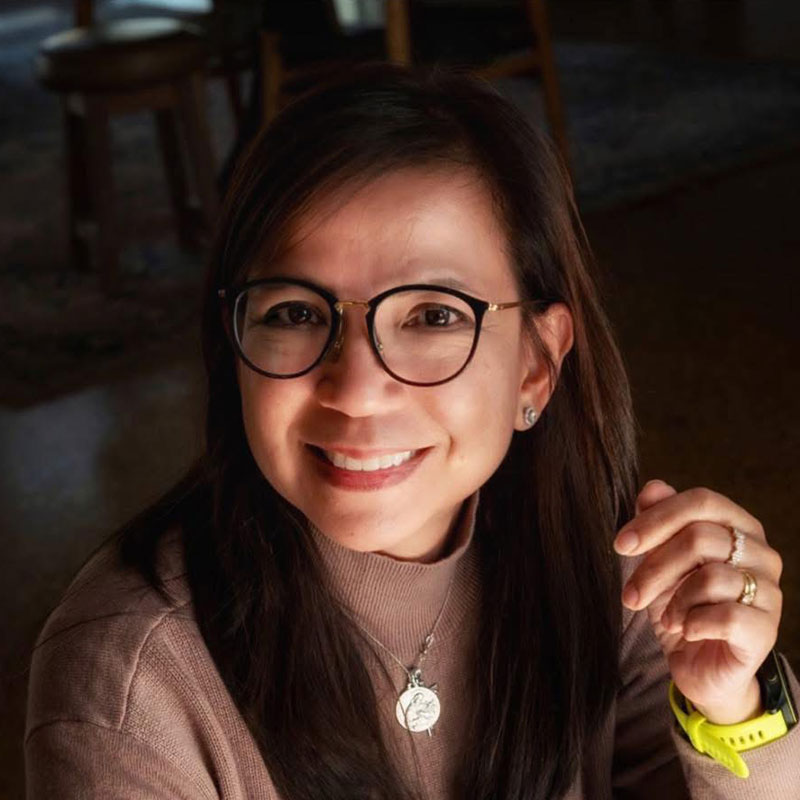
Dr. Rachel Ann Parr
PhD, RPsy

4:25 PM – 4:30 PM